Fly Fishing the South Holston River in Bristol, Tennessee
If you're interested in reliable, up-to-date information on fly fishing the South Holston River in Bristol, Tennessee, this page is for you! Our South Holston Fly Fishing Guide is designed to help anglers plan their day on the water and fish it safely and effectively. You’ll find hatch charts, proven fly patterns, public access points, boat ramps, and practical fishing tips based on real conditions. We also share generation timing, insights into how flows affect fishing throughout the day, and seasonal strategies to help you make the most of your time on the South Holston. Our goal is simple—to provide a clear, helpful resource that makes fly fishing this river more enjoyable and productive. For the most up-to-date conditions and productive patterns, view our Latest South Holston River Fishing Report.




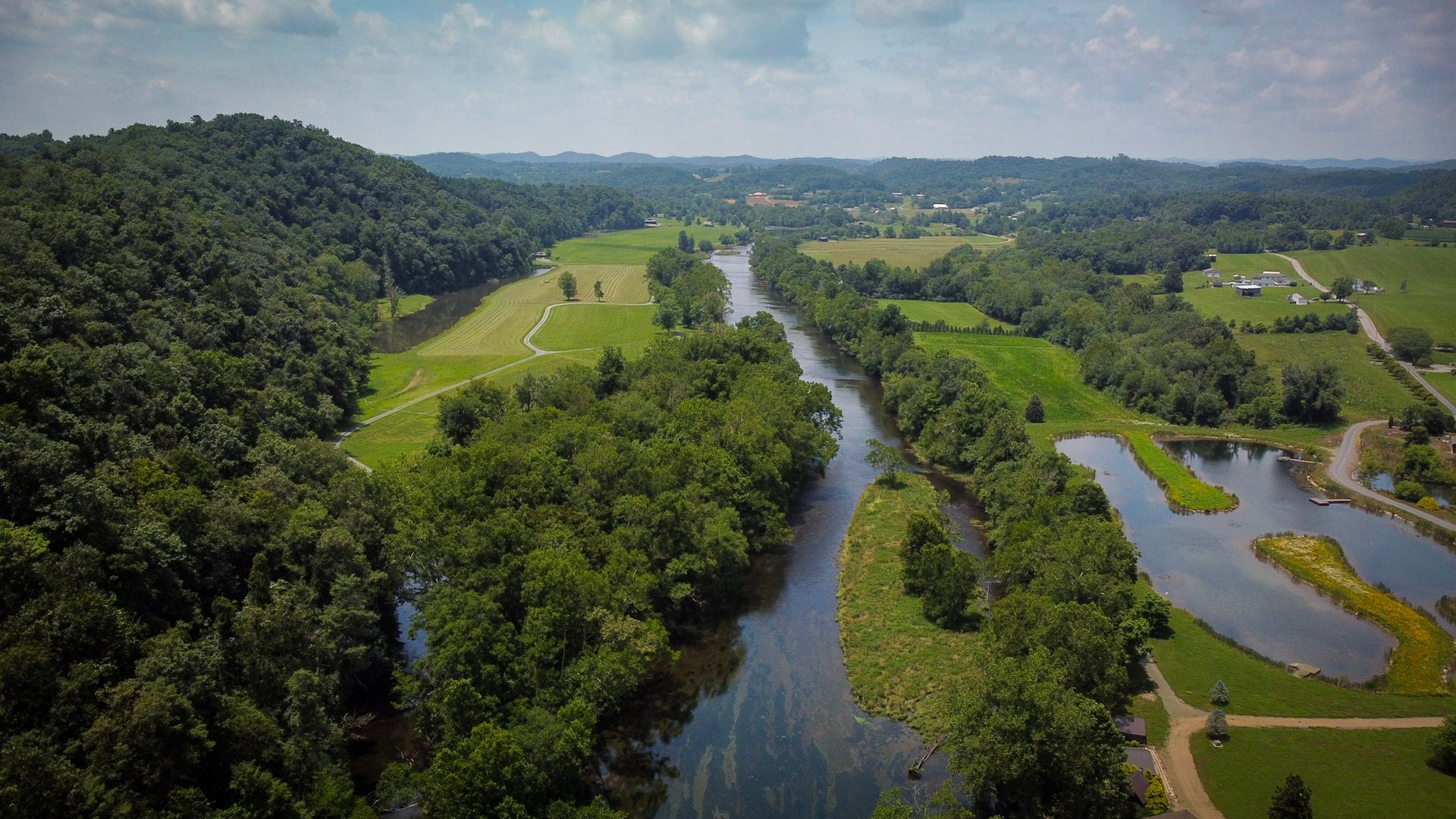
Why the South Holston River Is Considered One of the Best Trout Fisheries in the Eastern United States
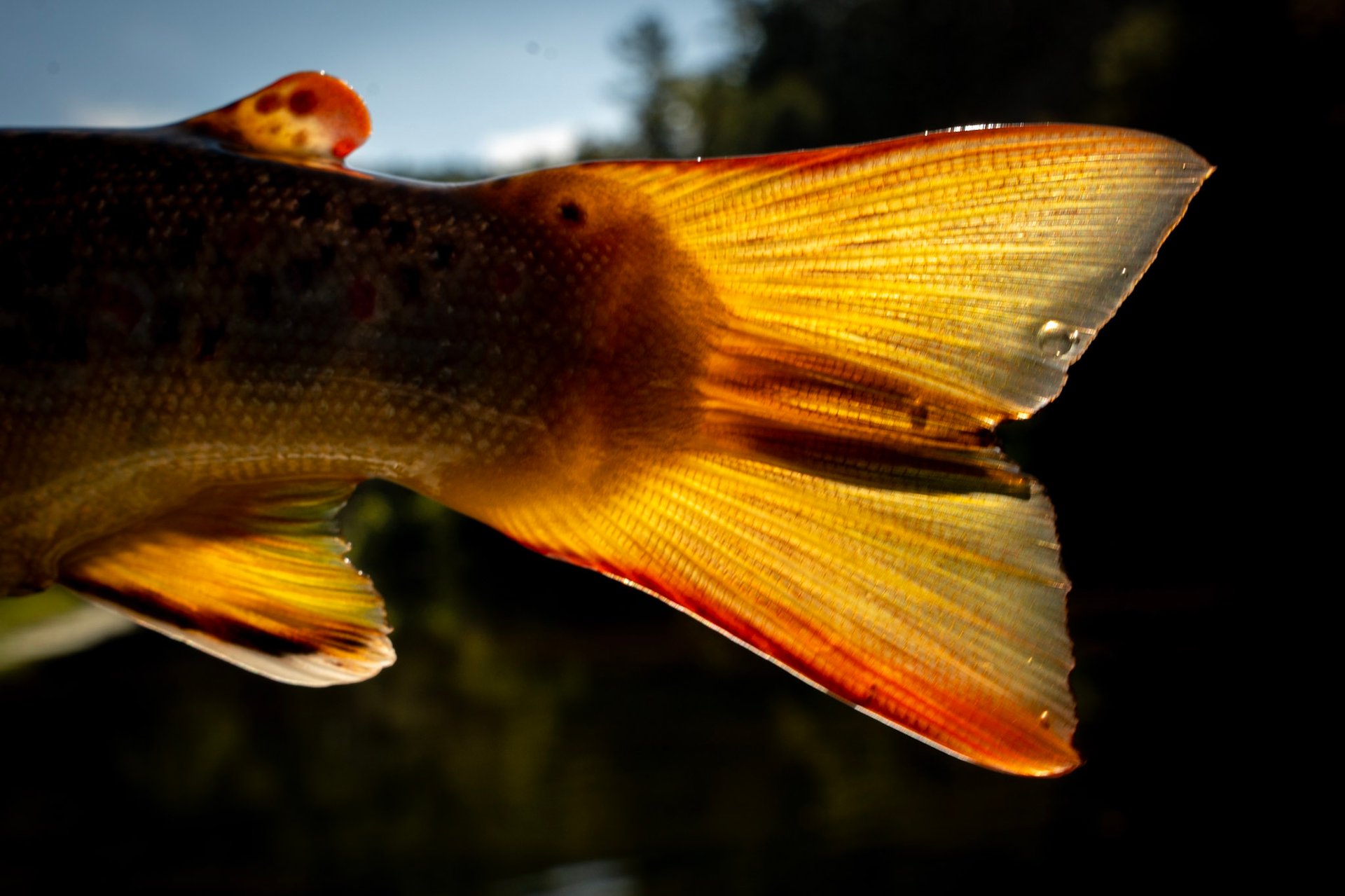
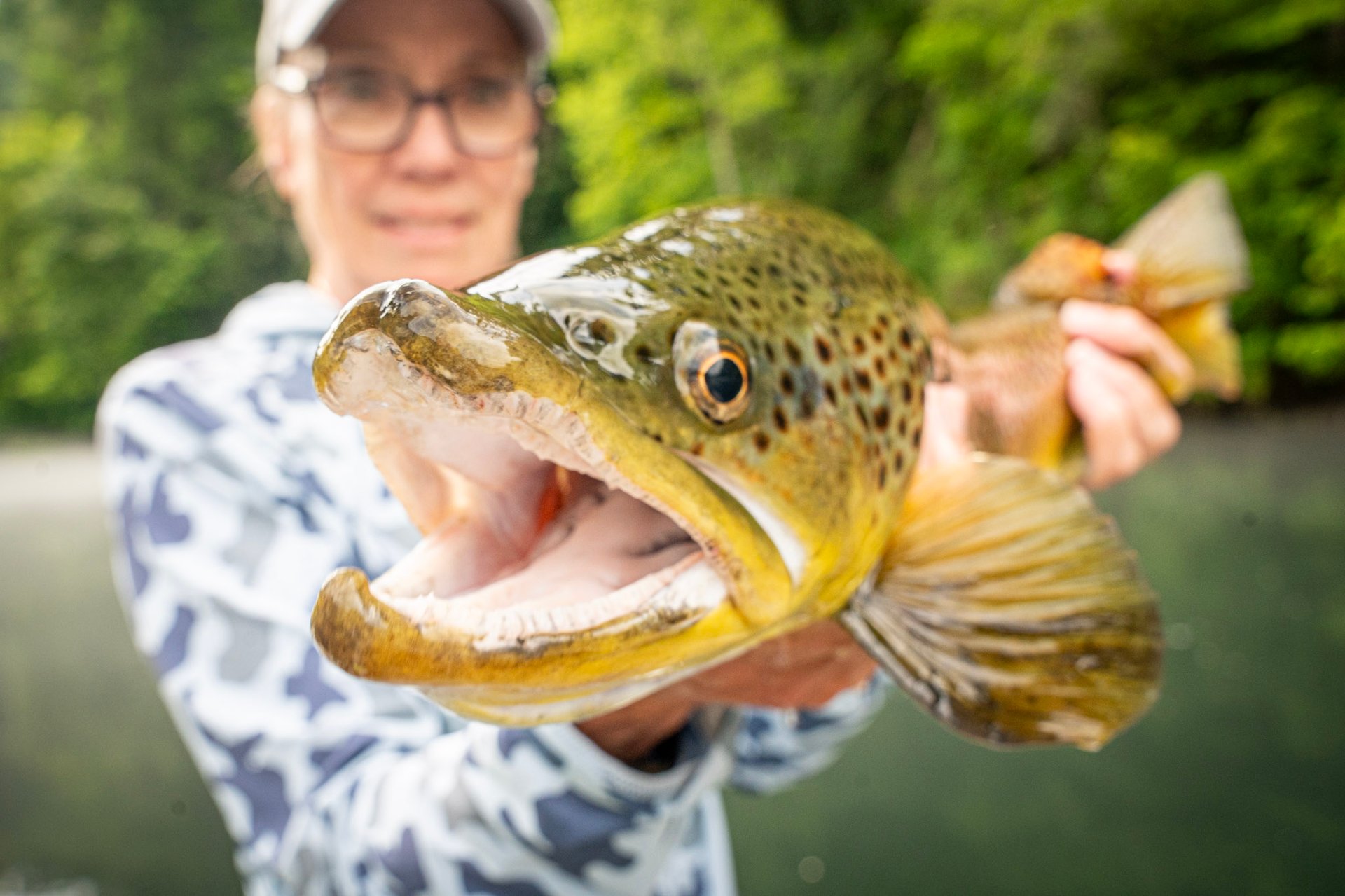
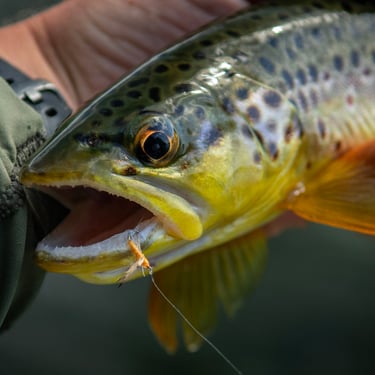
The South Holston River is widely regarded as one of the premier fly-fishing destinations in the Eastern United States, and for good reason. Its exceptional trout population, abundant aquatic insect life, and ability to consistently grow large brown trout—including fish over 25 inches.
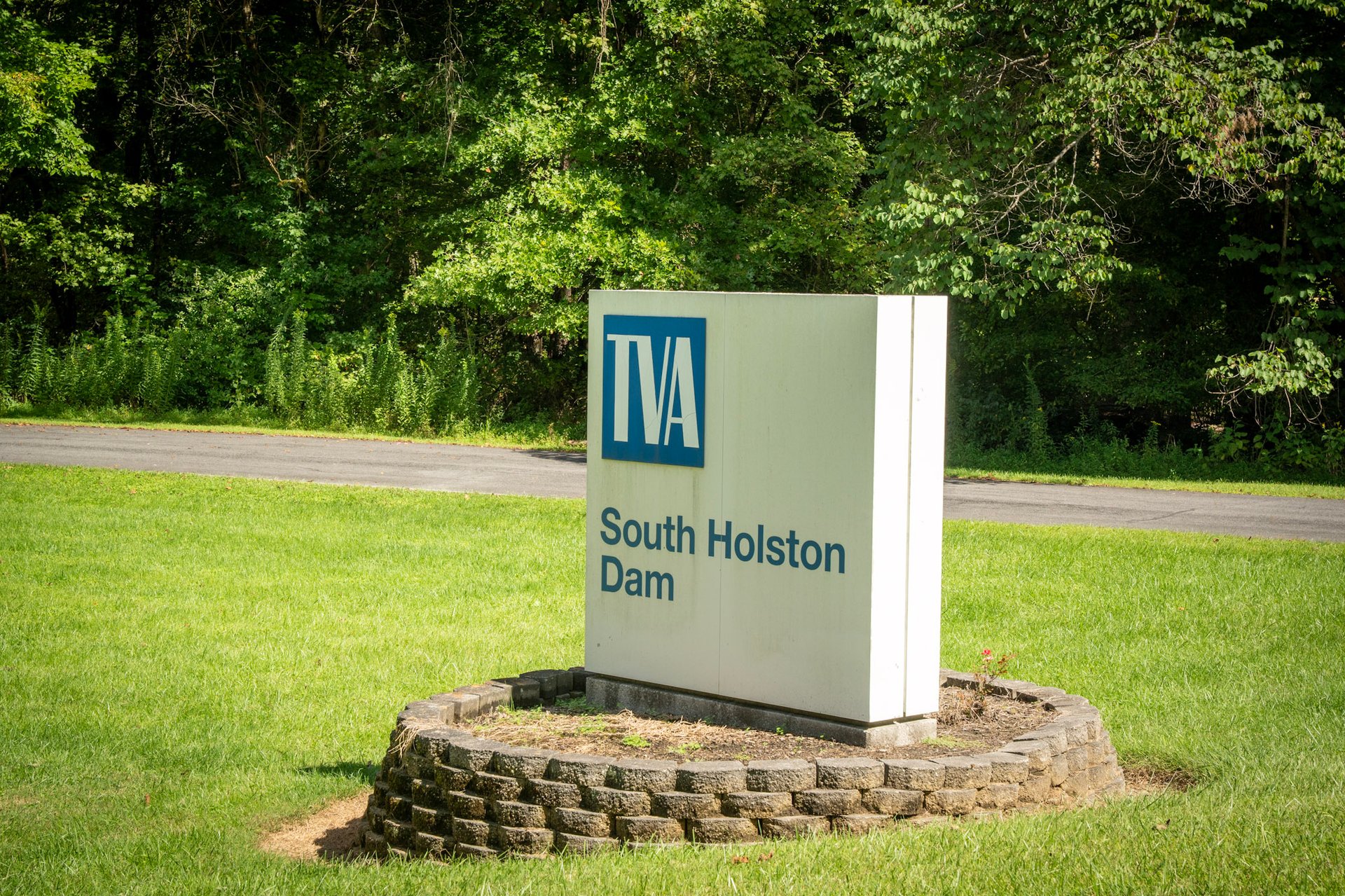
The river's remarkable consistency begins upstream at South Holston Lake. Created by the Tennessee Valley Authority (TVA), the lake provides a deep, cold-water reservoir that helps maintain the temperatures trout need to thrive throughout the year. Water released through the dam's turbines typically remains in the ideal temperature range for trout and aquatic insects, even during the hottest months of summer.
How it Became a Year-Round Trout Fishery
The story of the South Holston begins during the development of the Tennessee Valley Authority. Created during the Great Depression to bring electricity, flood control, and economic development to the Tennessee Valley, the TVA constructed South Holston Dam on the South Fork Holston River. Construction began in the early 1940s, and the dam was completed in 1950.
The rugged terrain of the Appalachian Mountains allowed the resulting South Holston Lake to reach depths of roughly 250 feet. That depth plays an important role in the river below the dam. Water stored deep within the reservoir is largely insulated from the extreme temperature swings that occur at the surface, allowing cold water to be released downstream throughout the year.
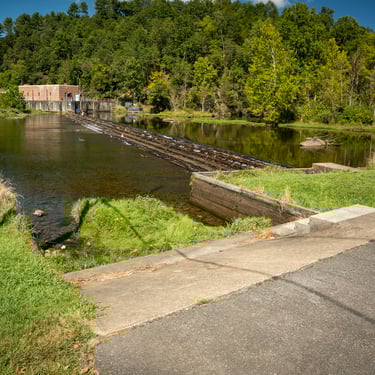
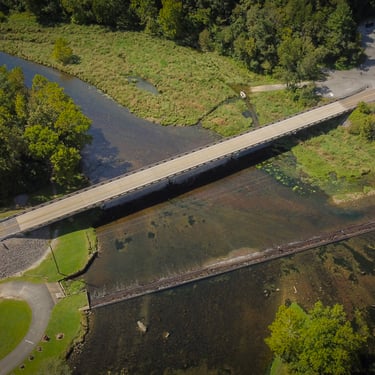
In 1991, TVA added a weir below South Holston Dam to help oxygenate the river during periods when the hydroelectric turbines aren't generating electricity. TVA explains that the oxygen-rich water helps maintain habitat for aquatic insects, vegetation, and fish.
That additional oxygen, combined with the cold water released from South Holston Lake, helped create the stable tailwater environment that makes the river such a productive trout fishery today.
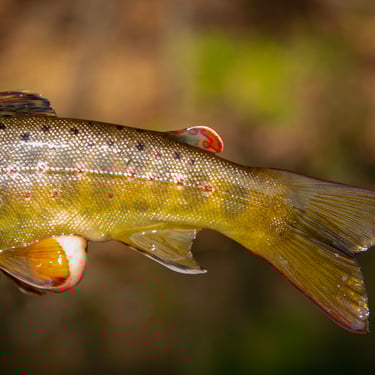
A Wild Brown Trout Fishery
The results are remarkable.
According to the Tennessee Wildlife Resources Agency's South Holston Tailwater Trout Fishery Management Plan, the river supports a high-abundance trout population, with electrofishing catch rates averaging hundreds of trout per hour during the period evaluated in the plan. Brown trout have also represented approximately 80–90% of the trout captured during electrofishing surveys since 2009.”
The success of the wild brown trout population led Tennessee to stop stocking brown trout in the South Holston tailwater in 2003, according to the state's management plan.
What Makes the Fly Fishing on the South Holston So Consistent?
For fly anglers, the combination of cold water, oxygen-rich habitat, abundant food, and a strong wild trout population is what makes the South Holston so special.
The river doesn't depend on seasonal snowpack to maintain trout-friendly water temperatures. Even during the hottest days of summer, the cold water released from South Holston Lake helps maintain the conditions trout need. In winter, the same tailwater effect keeps the river from experiencing the extreme temperature swings found in many freestone streams.
The result is a river that can support healthy trout and aquatic insect populations 365 days a year.
For anglers, that means the South Holston isn't simply a river with good fishing during a particular season. It's a year-round trout fishery capable of producing everything from technical dry-fly opportunities to exceptional nymphing and streamer fishing—and, for anglers willing to put in the work, opportunities at some very large wild brown trout.

When Is the Best Time to Fly Fish the South Holston River?
The best time of year to fly fish the South Holston River depends on an angler's goals. For instance, if your goal is to catch a lot of fish, you should consider a springtime trip. If your interest lies in catching a large brown trout, you might want to look into summer or fall. And lastly, if a solid day of fishing in solitude is what you're after, the winter months may have exactly what you're looking for.
Spring
If your main interest is catching fish on the South Holston, March–May is for you. During the spring months, the abundance of food sources available to the trout creates heavy feeding activity. This is one of the best times to catch numbers of fish because of the variety of insects the trout may be feeding on. You don't have to match the hatch perfectly, but focusing on presentation is key.
Summer
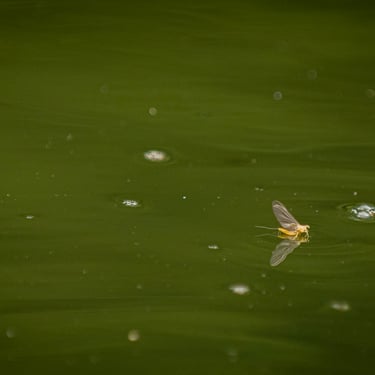
June–September might be our favorite time to fly fish the river. Sulfur mayflies have become a regular food source, trout have settled into their summer lies, and some of the biggest trout in the river become more active. Although there are easier times to catch more fish, we see some of the biggest trout of the year caught during the summer.
Fall
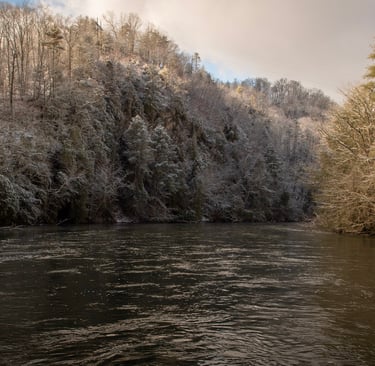
Fall is one of the most beautiful times to fly fish the South Holston River. Leaves are changing to their autumn colors, and brown trout are feeding heavily as they prepare for the spawn. As temperatures begin to drop, the main food sources become midges and Blue-winged Olives. Flies in sizes #18–#22 can be incredibly effective this time of year. Even the biggest fish in the river will feed on the smallest insects.
Winter
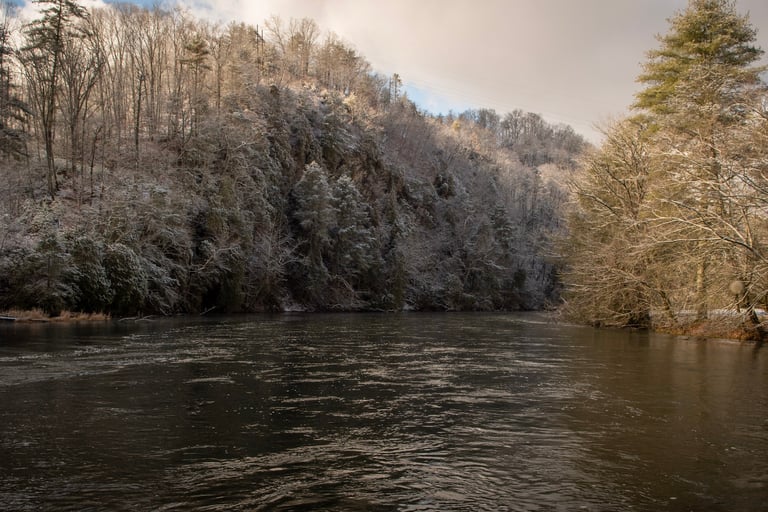
Fishing pressure is at its lowest of the entire year. Trout are more concentrated in the upper four miles after the spawn, and egg flies can be incredibly effective this time of year. If the fish are actively feeding on eggs, you might be in for an exceptional day on the river. Winter can also be a great time to fish streamers. Big browns need to put on weight after the spawn, and a well-presented streamer can be a great way to entice one.






South Holston River Hatches and Fly Fishing Techniques
The South Holston is a technical trout fishery. We want to make it easier for you to be successful by providing seasonal hatch charts, along with general fishing tips and techniques. Matching the hatch and presenting your fly properly can make the difference between a trout striking and refusing your fly.
Sulfurs, Blue-winged Olives, Midges, Caddis, and Beetles: A River for the Dry Fly Enthusiast
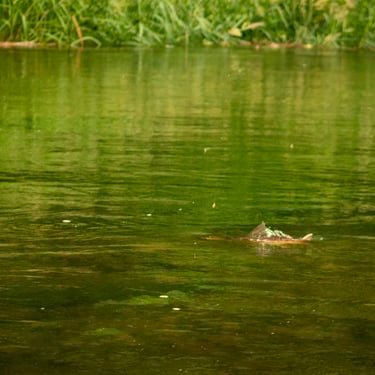
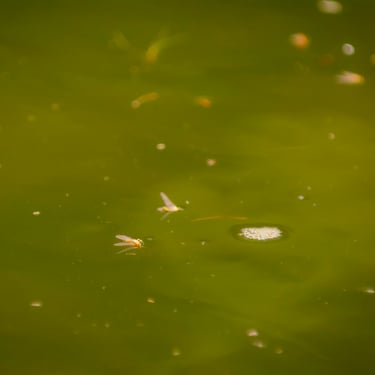
When most anglers walk into the river, the first thing they look for is surface activity. Trout feeding on the surface not only show us where the fish are holding, but also tell us that they are actively feeding. Depending on the size of the insect, it can also be easier to determine what the trout are feeding on because you may be able to see the bugs.
Some might argue that the best time to fish the South Holston River is during its annual Sulfur hatch, and although we agree that it offers prime opportunities for dry fly fishing, we've found that on many days there are still trout rising outside of the main hatch. For instance, midge hatches, especially in the morning, can draw the attention of trout feeding in the surface film. Winter afternoons can also trigger Blue-winged Olive activity. Blonde Caddis in the fall and beetles during the heat of summer can also bring fish to the surface.
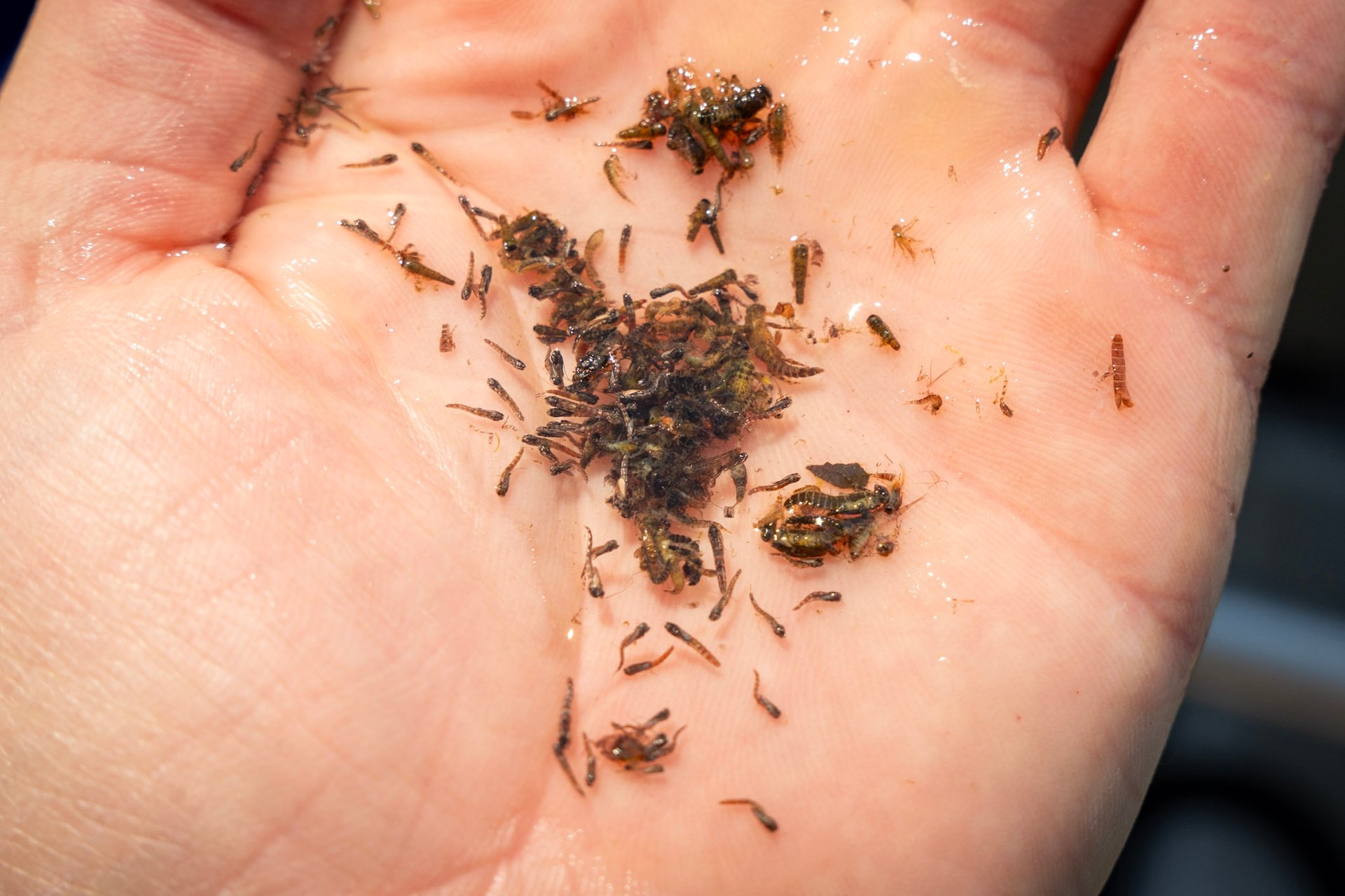
Paying attention to what you see in the surface film can be incredibly helpful when trying to choose a dry fly or even a nymph that will bring success. For instance, if you see midge shucks floating on the surface, it's safe to assume that the fish may be keying in on midges. Mayflies and caddis also leave shucks behind when hatching, and these can be visible near the surface. Use what you see in and on the water to help determine what the trout are feeding on. Nature has a way of giving you little hints, but you have to take the time to look.
Nymphing for Wild Brown and Rainbow Trout: Our Top Flies for Success
Even experienced guides find themselves pondering what the fish are feeding on from one day to the next. With the South Holston River's incredible abundance of bug life, trout can become highly selective about the variety, size, and color of their food. However, we've found that the patterns below can bring success even on the toughest days.
Zebra Midges (#18–#22) — Zebra Midges tied in a variety of colors and sizes are a must-have for the South Holston River. Our favorite colors include olive, gray, purple, brown, and black.
Frenchie Pheasant Tail (#16–#18) — The Frenchie is a versatile fly that can represent several different food sources, making it a staple for many fly guides. We believe the Frenchie most closely imitates a mayfly nymph, scud, or sowbug, but it can also serve as an effective attractor that trout simply tend to eat.
Weiss Perdigon (#16–#20) — The Perdigon is primarily used for tight-line nymphing, but more recently we've also seen it become effective under a dry fly or indicator on the South Holston. The Weiss best represents a small mayfly nymph. Its slender profile gives the fly a realistic silhouette while also allowing it to sink much faster than bulkier nymphs.
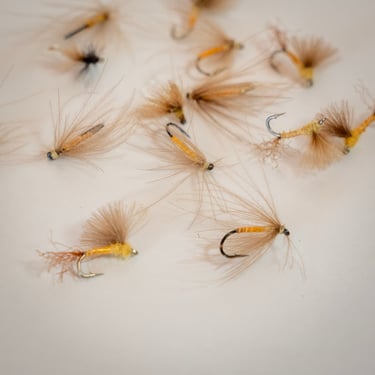
Pheasant Tails and Split Back Nymphs (#16–#20) — During an active Sulfur hatch, dry-dropper fishing can be really effective. Two of our favorite droppers for imitating Sulfur nymphs are the Pheasant Tail and Split Back Nymph. These flies have brought success to anglers on the South Holston for years, and there should always be a few in your fly box.
Scuds and Sow Bugs (#16–#20) — When your go-to flies aren't doing the trick, sometimes the fish are keyed in on small crustaceans such as scuds and sow bugs. These can make up an important part of a trout's diet on the South Holston. In fact, when using a stomach pump, we'll often find a few in the sample.
For the most recent updates on what's working best, check out our South Holston River Fishing Report for current hatch activity, river conditions, and productive fly patterns.


Some of the Best Dry Flies on the South Holston River Include:
Dry fly fishing can be a lot of fun, especially when we've found the right fly to match the hatch. After years of fishing the river, here are a few patterns we recommend keeping in your box when the fish are looking up.
Comparadun (#16–#22) — Sulfur and Blue-winged Olive Comparaduns have caught thousands of fish over the years. We recommend having these flies in a mix of CDC and deer-hair versions. Depending on light conditions, the wing color can be important for visibility. These flies are also great for dry-dropper fishing before, during, and after the hatch. Trout on the South Holston tend to favor CDC wing materials over traditional hackle, these flies should be treated with a powdered silica floatant, such as Frog's Fanny, to maintain their buoyancy.
Puff Daddy (#16–#20) — This is a slender-bodied dry fly consisting of only a goose biot and CDC feather. This is by far our favorite dry fly for either Sulfur or Blue-winged Olive hatches. Its sparse wing gives it a realistic profile that can be hard for actively feeding trout to resist. Make sure you bring plenty of powdered dry-fly floatant. Typically, these flies should be treated every 10 drifts or so.
Morgan's Midge (#20–#24) — When trout are keyed in on midge adults, they can be difficult to fool. We've found Morgan's Midge to be one of the best dry flies for picky tailwater trout.
CDC Caddis (#16–#18) — Caddis are very seasonal on the South Holston. We normally only see them hatch in the spring and fall. If you stumble upon a caddis hatch, light blonde or tan CDC imitations have worked best for us.
Black Foam Beetle (#14–#16) — East Tennessee is home to thousands of June bugs and Japanese beetles. There are moments when beetles fall from the tall grass along the river’s edge, creating a valuable protein source for trout. Early-morning fishing along the banks and under trees can yield awesome results with this dry fly. Don't be surprised if an 18-inch brown trout strikes—big browns will look for beetles during the summer.

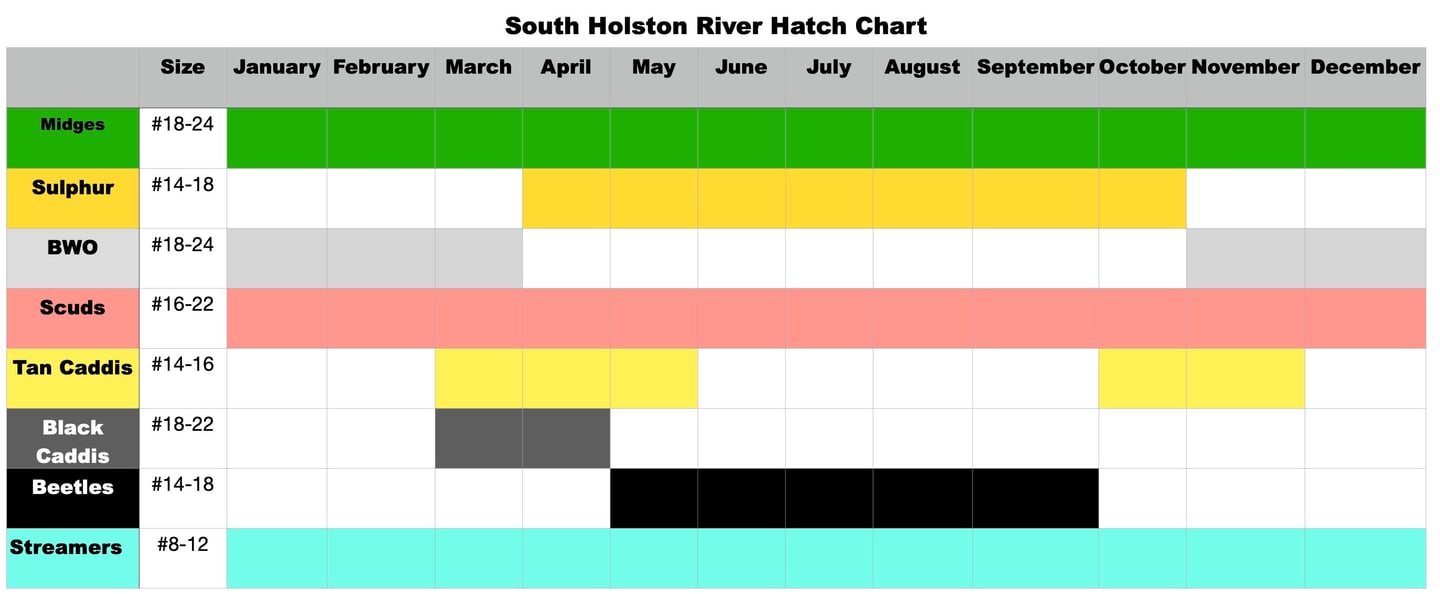
South Holston River Hatch Chart
To help fly tyers and DIY anglers, we've created a detailed hatch chart that provides a month-by-month outline of what these fish typically feed on. This resource will give you a solid starting point for matching the hatch and improving your chances on the water.

Presentations That Catch More Fish (Dry Fly & Nymph Tactics)
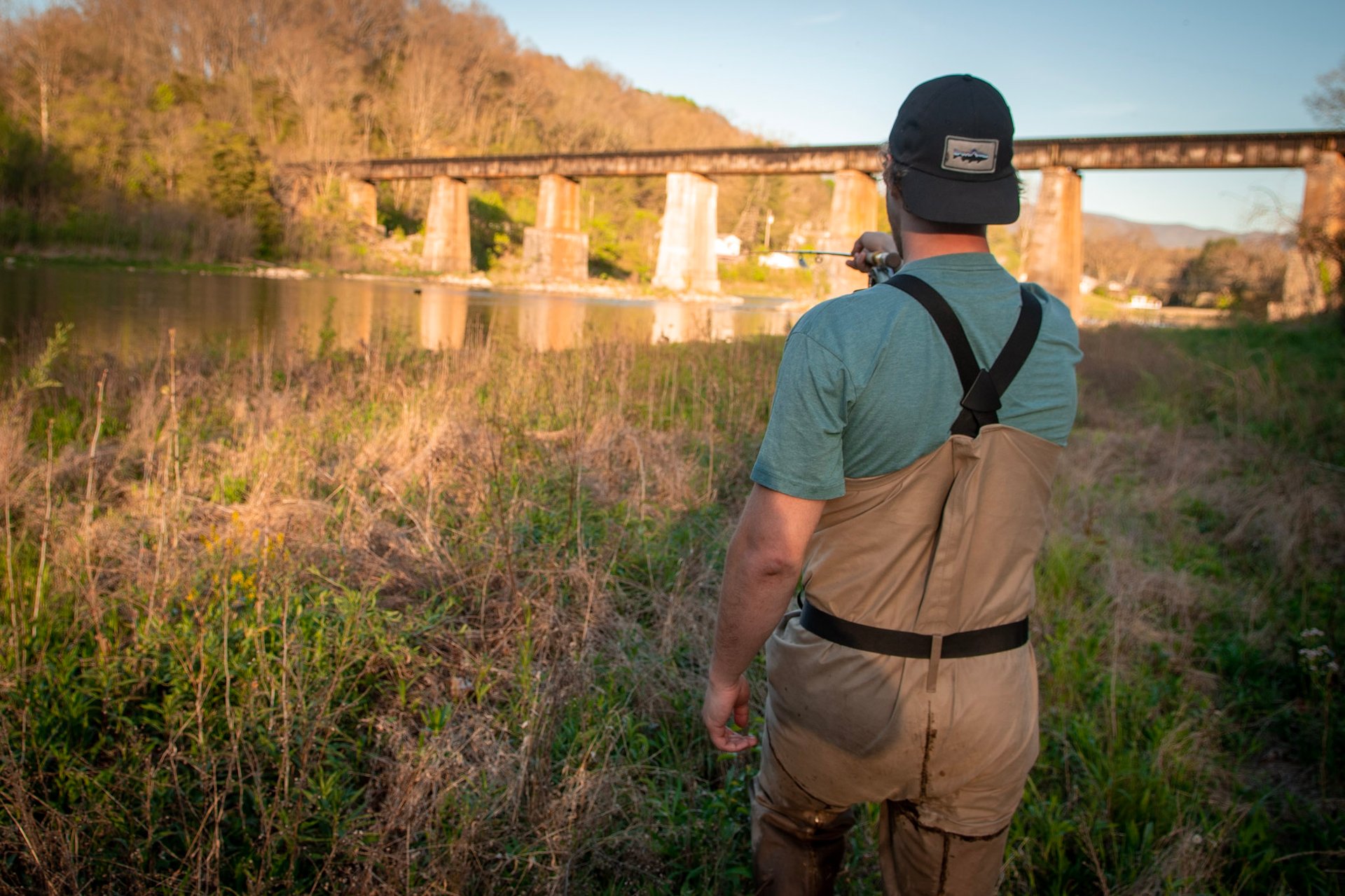
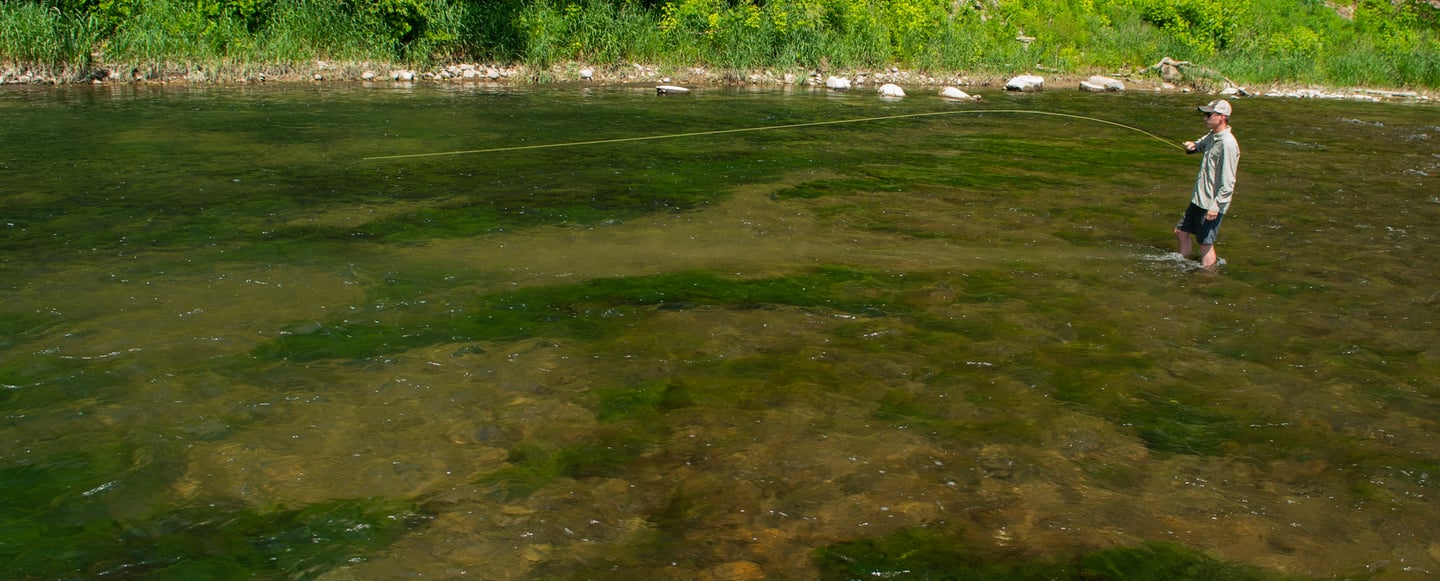
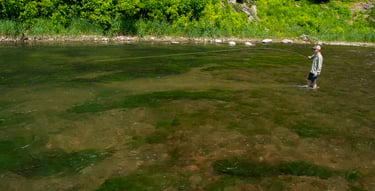
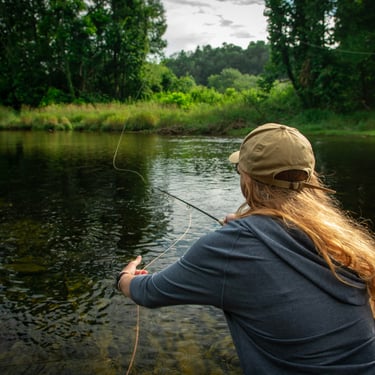
Just starting out? Targeting trout in the riffles is often the easiest place to begin. The broken water helps conceal both the angler and their tackle while also shortening the fish's decision time to strike the fly. Casting upstream in these areas creates the best presentations and allows the fly to drift naturally back toward you.
Our second favorite place to target fish is in pools around knee- to waist-deep. Fish at these depths tend to be less easily spooked, and these areas can provide plenty of opportunities. The gin-clear water can appear deceptively shallow, so make sure your dry-dropper or nymph rig is set at the correct depth. Allowing the fly to drift downstream from you is often the most effective technique for fishing pools like these. However, you must keep the line mended to prevent the fly from dragging.
Lastly, shallow, slow-moving water may also hold fish, but trout in these areas are often skittish and quick to react to people, boats, or errant casts. These spots can be productive, but usually only under optimal conditions. A careful approach and accurate presentation are essential.
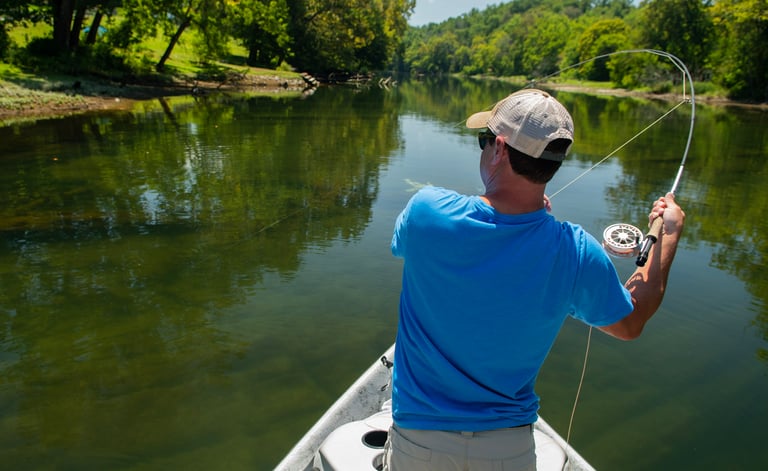
Dry-dropper and small yarn-indicator nymph rigs are two of our preferred ways to target brown trout on the South Holston River. Long leaders and light tippet are essential for effective presentations. Our preferred setup includes a 9-foot, 3X or 4X monofilament leader paired with 5X to 7X fluorocarbon tippet, bringing the total length of the leader and tippet to around 11–12 feet.
Tips for Targeting Larger Brown Trout
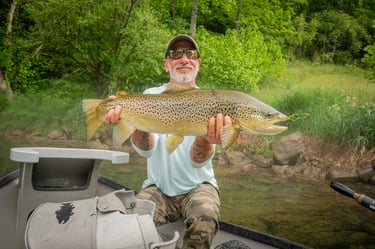
The two most effective ways to target a big brown trout on the South Holston River are by nymphing deeper water or fishing streamers during optimal conditions. Large brown trout are more active at certain times, such as during rainy or overcast days, periods of heavy insect activity, higher flows, off-colored water, and the low-light periods of morning and evening.
When nymphing, presentation is paramount for success. Getting too close or making a heavy, misplaced cast can easily cause a large brown to spook. Ideally, keep your leader long and your tippet light while maintaining as much distance from the trout as possible.
We prefer 6X tippet and a mid-flex fly rod when targeting larger browns with a dry-dropper or yarn-indicator setup. We've found this combination provides good protection for light tippet while still giving us enough power to land larger fish. A 10-foot, 4X leader helps keep the fly line farther from the fish and allows for softer presentations.
Try to position yourself upstream from the area where you believe the fish is holding while maintaining enough distance to avoid spooking it. Ideally, a well-presented reach cast followed by a mend will allow the fly to drift drag-free through the holding water. Brown trout often don't move far from their holding lies while feeding on nymphs, so getting the nymph to the correct depth is critical to triggering a strike.
Change flies when necessary, but don't overlook what the smaller fish are telling you. If you've found a fly that the juvenile trout are readily feeding on, there's a good chance larger fish are feeding on the same food source.
Streamer fishing for big browns is condition-based. Higher flows and off-colored water can create the perfect conditions for brown trout to look for a larger meal. Covering a lot of water increases your odds of finding a fish that is willing to chase a streamer.
Casting toward the bank can be effective, but don't overlook the middle of the river. We believe many fish don't leave their primary holding lies in the middle of the river, even when the water gets high. Fish the streamer all the way back to the rod, especially when you can't see whether a fish is following. Some of the most aggressive strikes can happen much closer than expected.
When retrieving your streamer, try to make the presentation sporadic by varying the retrieve and incorporating subtle pauses between strips. Many brown trout will strike when the fly pauses, so paying attention to the pause can make the difference between a follow and a refusal.
Be careful not to pause too long or allow the fly to hang on the bottom. If you don't get a strike, accelerate the retrieve again to draw the attention of a following fish. Continue varying the retrieve, and if you're still not getting results, try changing the color of the fly. A few of our favorite colors include white, black, olive, yellow, and brown.
A few of our favorite streamers for the South Holston are:
Kelly's Dungeon
Kelly's Circus Peanut
Double Deceiver
When fishing streamers during generation, we adjust our rod, line, and leader setup depending on whether we're floating or wading. Fishing From a drift boat, a 9-foot 7-weight or 8-weight rod is ideal. We typically fish 300- to 350-grain sinking lines with a 7-foot, 15-pound leader.
When wade fishing on low water, a floating line can be more effective with a 12-foot, 10-pound leader. This setup won't have the tendency to hang up on the bottom as much.
Stick with it. Catching a trophy brown trout doesn't happen every day, but if you intentionally target them, you may be surprised by how many opportunities you can have.




Understanding the South Holston River Generation Schedule
Knowing the South Holston River's generation schedule is essential for a safe and productive fly fishing trip. When the river is generating, wading becomes hazardous due to fast, cold flows, so it's important to plan your fishing around these periods. By checking the TVA South Holston flow chart, you can time your trips to take advantage of safer wade-fishing windows or high-water float opportunities. Understanding the generation schedule can also help you choose the right tactics, whether you're targeting trout with dry flies and nymphs during lower flows or streamers during higher water.

Check out this short video from a mid-summer 2024 trip on the South Holston River.

South Holston River Public Access Points for Fly Fishing
We've put together driving directions to all of the public boat ramps and major access points for fly fishing the South Holston River. Access conditions can change, so verify current conditions before your trip.
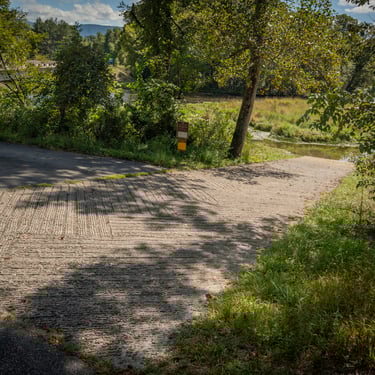
South Holston Tailwater Trail Access & Upper Dam Launch Map
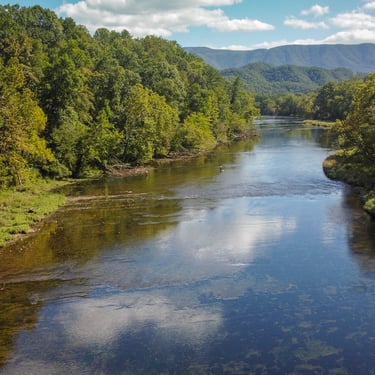
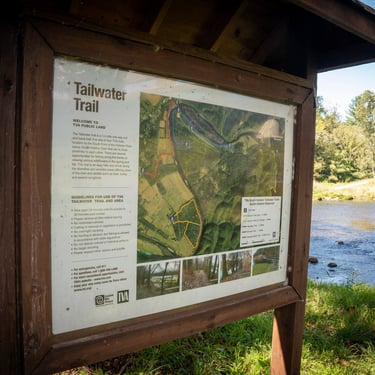
This map highlights the first boat ramp below the dam. Floating this stretch during low water is nearly impossible, but wade anglers can use the Tailwater Trail to avoid early fishing pressure. The best hatches typically occur within the upper two miles, so keep your dry fly box ready! When the river is generating, high water takes about 30 minutes to reach this section.
Lower Tailwater Trail Wade Access (TVA Trail Terminus)
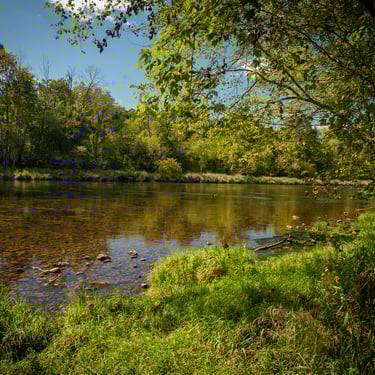
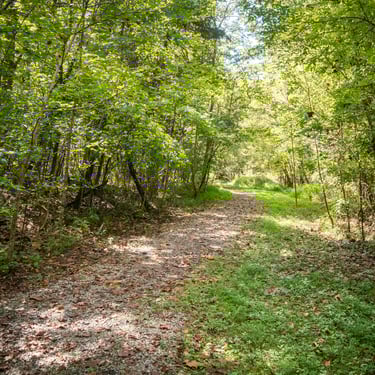
This map leads to the lower end of the Tailwater Trail and provides excellent wade-fishing access into productive water near sections that border private property. Be sure to stay within the riverbanks while wading downstream to avoid trespassing. This area can be especially rewarding during the summer Sulphur hatches and is a favorite among anglers who enjoy covering water on foot. When the river is generating, high water typically takes about 45 minutes to reach this access point.
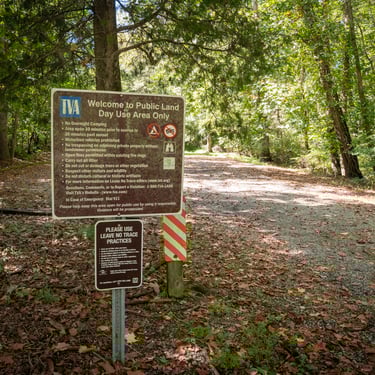
Bouton Trail Wade Fishing Access (South Holston River)
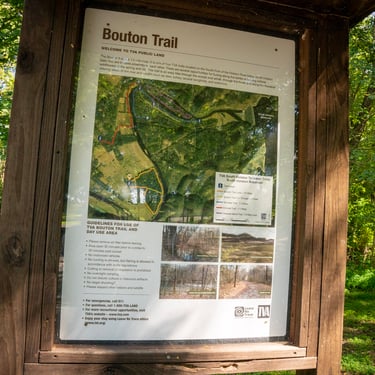
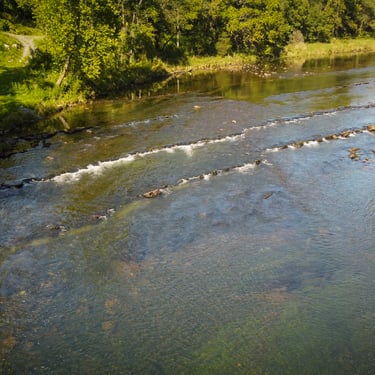
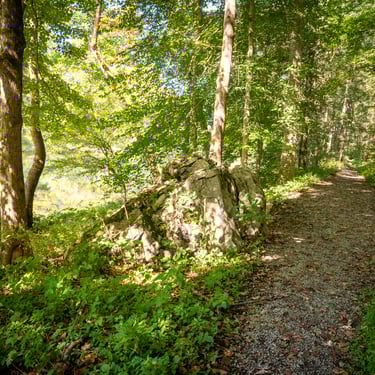
The Bouton Trail is a 1.6-mile loop that parallels the South Holston River, offering roughly half a mile of fishable water along the trail. If you enjoy targeting pocket water and riffles, this stretch sets up perfectly for covering water on foot. While this area is popular with local anglers and can see heavier traffic, there’s plenty of room to spread out and find fish. During generation, high water typically takes about one hour to reach this access point.
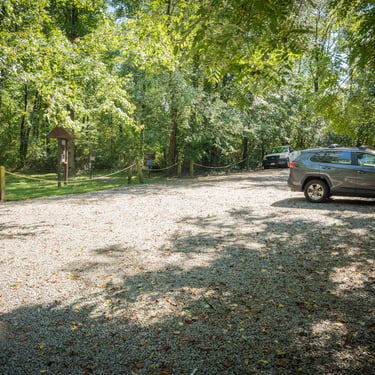
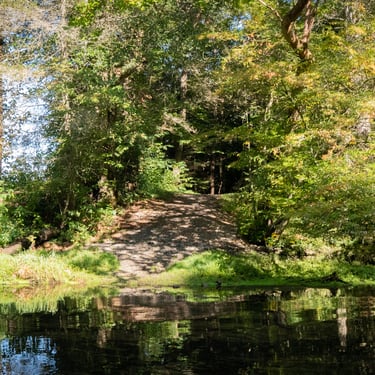
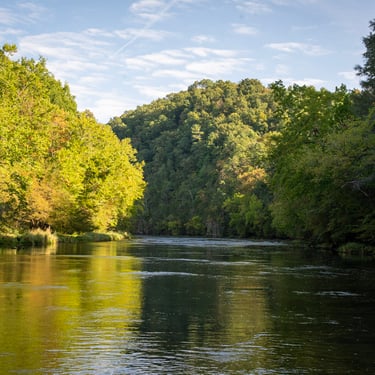
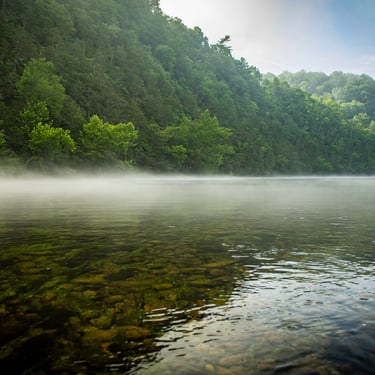
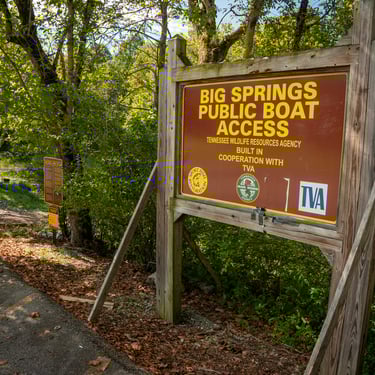
Big Springs Public Boat Ramp – South Holston River Access
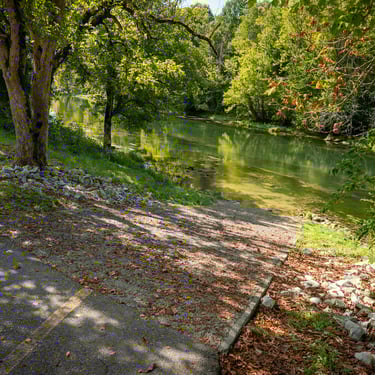
For anglers floating high water from the dam, Big Springs Public Boat Ramp is the closest downstream take-out and serves as a natural mid-river checkpoint. The float from the dam covers roughly six miles and typically takes about four hours if you’re not stopping often.
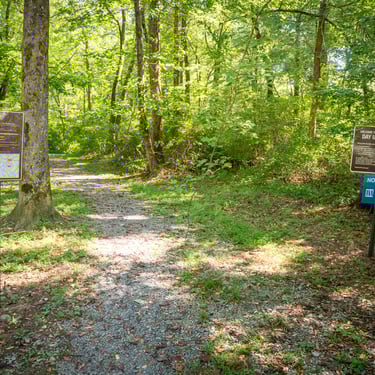
Wade anglers also have options here. A public trail provides access to a section approximately half a mile upstream, where deeper runs and soft edges often hold wary brown trout. This stretch fishes well year-round, with nymphing being especially effective. During generation, high water generally takes about three hours to reach this access point.
Weaver Pike Boat Ramp – South Holston River Access (Use With Caution)
This access point, commonly referred to as Weaver Pike Boat Ramp, is owned by the City of Bristol, not TVA, and is poorly maintained. Anglers and boaters should use extreme caution if attempting to access the river here. The access road contains large potholes and typically requires a high-clearance, four-wheel-drive vehicle.
Parking is very limited, with space for only one vehicle above the ramp, and conditions are often unsuitable for safe launching or take-out. This ramp is located approximately two miles downstream from Big Springs Boat Ramp.
We do not recommend using this access point. During generation, high water takes approximately 3 hours and 45 minutes to reach this location.
Forrest Thomas Boat Ramp – Lower South Holston River Float Access
This map leads to the Forrest Thomas Boat Ramp, located approximately 12 miles downstream from South Holston Dam and 6 miles below Big Springs Boat Ramp. This stretch is an excellent full-day float option during periods of high water and is frequently used by guides targeting larger trout.
Wade fishing here offers a very different experience compared to the upper river, with deep limestone troughs that hold both rainbow and brown trout. In the spring, this section often sees consistent caddis and Sulphur activity, while streamer fishing can be especially productive as larger fish patrol the deeper runs.
Due to the distance from the dam, fishing this stretch during mid to late summer can be less productive as water temperatures rise. During generation, it typically takes approximately 4 hours and 30 minutes for high water to reach this section.
Bluff City Boat Ramp – Lower South Holston River Access
This map leads to the Bluff City Boat Ramp, marking the lower end of the South Holston River before it transitions into the upper reaches of Boone Lake. During summer months, this short 2-mile stretch can feel lake-like, with the final ¾ mile often requiring rowing to exit.
This section is highly seasonal and is best avoided during the hottest part of the summer, when trout tend to become lethargic. However, from October through May, this stretch can fish extremely well. The trout here are often skittish, so long leaders and careful presentations are key to success.
During generation, it typically takes approximately 6 hours for high water to reach this section.

South Holston River Lodging
Planning a trip to the South Holston? Explore nearby vacation rentals and lodging options to help make planning your trip easier.

Explore Watauga River Fly Fishing
The Watauga River offers a different fly-fishing experience than the South Holston. Learn more about the river, its hatches, fishing techniques, and current conditions.

South Holston River Fishing Reports
Looking for current conditions, hatches, and what's working? Check out our latest South Holston River fishing reports.