
September 2026 South Holston & Watauga River Fishing Report
September brings cooler water, active brown trout, low flows, and some of the best opportunities of the year on the South Holston and Watauga Rivers. Get our latest September fishing report, including river conditions, generation, hatches, fly patterns, techniques, and tips for targeting larger brown trout in East Tennessee..
9/18/20268 min read

September 2026 South Holston and Watauga River Fishing Report
September is finally here! We're a little behind on our fishing report this month because we've been busy fishing, which isn't a bad reason to be late. September is probably our favorite month at South Holston Angler. This is the beginning of the pre-spawn feeding window for the brown trout, water temperatures are starting to cool, and it's one of the most beautiful times of year to be on the rivers.
Overall, the fishing has been good over the last few weeks. Both rivers have responded well to the cooler temperatures, and it looks like conditions could get even better during the final week of September. The leaves have started to change color, but fortunately, they haven't begun falling in large numbers yet.
The big brown trout are on the move, we're still seeing some sporadic sulfur activity, and we've even had a few striped bass showing up in the mix. With cooler temperatures ahead and the brown trout becoming increasingly active, we expect the next few weeks to offer some excellent fly fishing here in East Tennessee.

South Holston River Fishing Report
The South Holston has been running low in the mornings, with generation typically beginning around noon and continuing into the late evening. This has created excellent conditions for afternoon float trips. For those looking to wade fish, the mornings have been very productive during periods of low water, especially in the upper two miles below the dam.
In late August and early September, we saw some of the strongest sulfur activity we've had all year, with the best activity occurring from roughly 2–4 p.m. The hatch was notably strong, but the trout were definitely picky, and refusals were very common. As we've moved into the later part of September, the hatch hasn't been quite as consistent, but there is still a chance of finding good sulfur activity during that afternoon window on any given day.
There hasn't been much rain over the last few weeks, so the river is clearer than we've seen it in a while. This is one of our favorite times of year to sight-fish for big brown trout. In the mornings, these fish have been putting on the weight eating midges and small nymphs, and it's not uncommon to actually see brown trout feeding along the bottom of the river.
Fishing for quantity over quality has been a little tougher on the South Holston this month. If your goal is to keep the lines tight for the majority of the day, the Watauga River has been fishing better recently. For anglers willing to be patient and target larger fish, however, the South Holston is offering some exciting opportunities right now.

South Holston River Generation and Wading Conditions
Wade fishing the South Holston in the mornings has been good right now. The upper two miles have been seeing both midge and BWO activity, and as the morning progresses, there will be opportunities for sulfur activity as well. However, keep in mind that with the noon generation release, the South Holston River is not safe to wade fish during periods of generation. We recommend exiting the river before 12:30 p.m. to give yourself plenty of time to get out of the water before flows increase.
Most of our float trips have been taking advantage of the noon release and fishing during the higher-water window. The fishing overall has been good, but we haven't seen too many afternoons producing more than 15–20 trout. A good afternoon right now is around 10–12 fish.


South Holston River Hatches and Fly Patterns
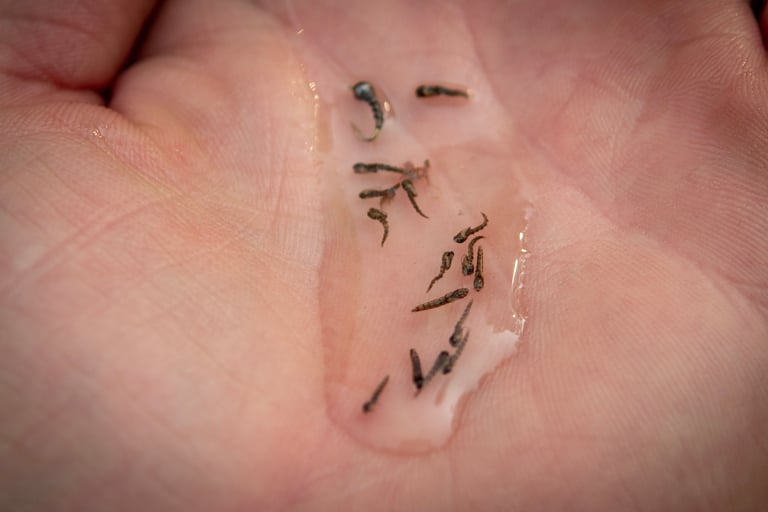
September and October are midge months on the South Holston. Midges have been hatching every morning, and the cooler the mornings become, the more consistent the activity has been. Having an assortment of #18–22 Zebra Midges is essential this time of year. Our favorite colors include olive, gray, purple, and brown.
BWOs can also be prevalent this time of year. #20 BWO Split Case Nymphs and #20 Skinny Nelsons have both been effective. For the most part, small, slender-bodied nymphs can work well when the trout are feeding on BWOs.
The sulfurs have been getting smaller, with size 18 being the average size we've been seeing on the river. We haven't had as much success with sulfur nymphs lately, but when the dry-fly activity is there, Comparaduns and Puff Daddies have been doing the trick.




South Holston River Fly Fishing Techniques
Nymphing has been the most productive way to bring fish to hand recently. A dry-dropper or yarn indicator paired with 6x tippet and a small midge has been producing the best results. Keep your presentation as light and natural as possible, especially when fishing the clear, low morning water.
One piece of advice is to look for rising trout and target areas where you can see fish actively feeding. There is a good possibility that more than one trout is feeding in the same area, even if you can only see one fish. Take your time, watch the water carefully, and focus your casts on the fish that are actively feeding rather than simply covering water.
For more in-depth information on presentations, flies, and techniques, check out our South Holston River fly fishing guide.

Targeting Larger Brown Trout on the South Holston River
September is our favorite month to target large brown trout. The pre-spawn feeding period has begun, and many of these fish are still holding in their normal summer feeding areas. Although fooling a large brown trout takes time and patience, we've found that this time of year they tend to make mistakes more frequently.
As temperatures cool out of summer, increased insect activity gives the brown trout more opportunities to feed, and they take advantage of these feeding windows. Long, stealthy presentations are key to success. We prefer using 6x tippet to our flies, so be prepared if you happen to hook into one of these fish. A light drag and moderate-action rod are critical for keeping the fish connected. One split-second mistake can result in a broken tippet and a fish swimming away.
As we move deeper into fall, we also find that the larger brown trout can become a little less cautious than they were during the brighter summer months. The days are getting shorter, the sun isn't nearly as high in the sky, and the lower light levels give these fish more confidence to move and feed. As the leaves continue to fall, the additional cover on the water can also make trout less wary of anglers and indicators. At the same time, the approaching spawn continues to drive these fish to feed heavily, and we expect that feeding activity to increase as we get deeper into fall.The next month should be an excellent time to target large brown trout on the South Holston. If chasing a quality brown is your goal, now is the time to get out there and have some fun!

Watauga River Fishing Report
Late September on the Watauga has been fishing very well! If you're looking for an action-packed day, this is a phenomenal time to experience a high-numbers day on the river. Fishing pressure on the Watauga tapers off during August and September, and this reduction in pressure can make the trout a little more willing to eat a well-presented fly.
The Watauga has also stopped its summer recreation releases, and flows have been consistently low. This has created excellent conditions for both wading and float trips. With the lower flows and lighter fishing pressure, the Watauga is currently offering some of the best opportunities of the year to keep a fly in front of trout throughout the day..

Watauga River Generation and Wade Conditions
The Watauga is going to remain low for the foreseeable future. Watauga Lake is currently lower than normal for this time of year, and the lack of significant rainfall over the last month has contributed to the lower flows we're seeing on the river.
With air temperatures staying in the 70s, we expect the Watauga to continue fishing well over the next month. The lower flows are creating excellent conditions for both wade fishing and floating, giving anglers plenty of options for getting on the water. As long as temperatures remain moderate and we don't receive a major change in rainfall, we expect these low-water conditions to continue into October.

Watauga River Hatches and Recommended Flies
Late September and October on the Watauga, we've been seeing three primary insects: midges, tan caddis, and blue-winged olives. Midges have been the most active in the mornings, while caddis and blue-winged olives become more prevalent through the afternoon and evening.
In the mornings, Zebra Midges have been producing the best results. As the day progresses, BWO nymphs have been effective, particularly when the fish are feeding subsurface. On warmer days, especially below the confluence of the Doe River in Elizabethton, you're likely to see some caddis activity. The hatch isn't quite heavy enough right now to get the fish consistently looking up for caddis dries, but a #18–20 caddis pupa has been a good dropper pattern to have underneath a dry.


Watauga River Fly Fishing Techniques
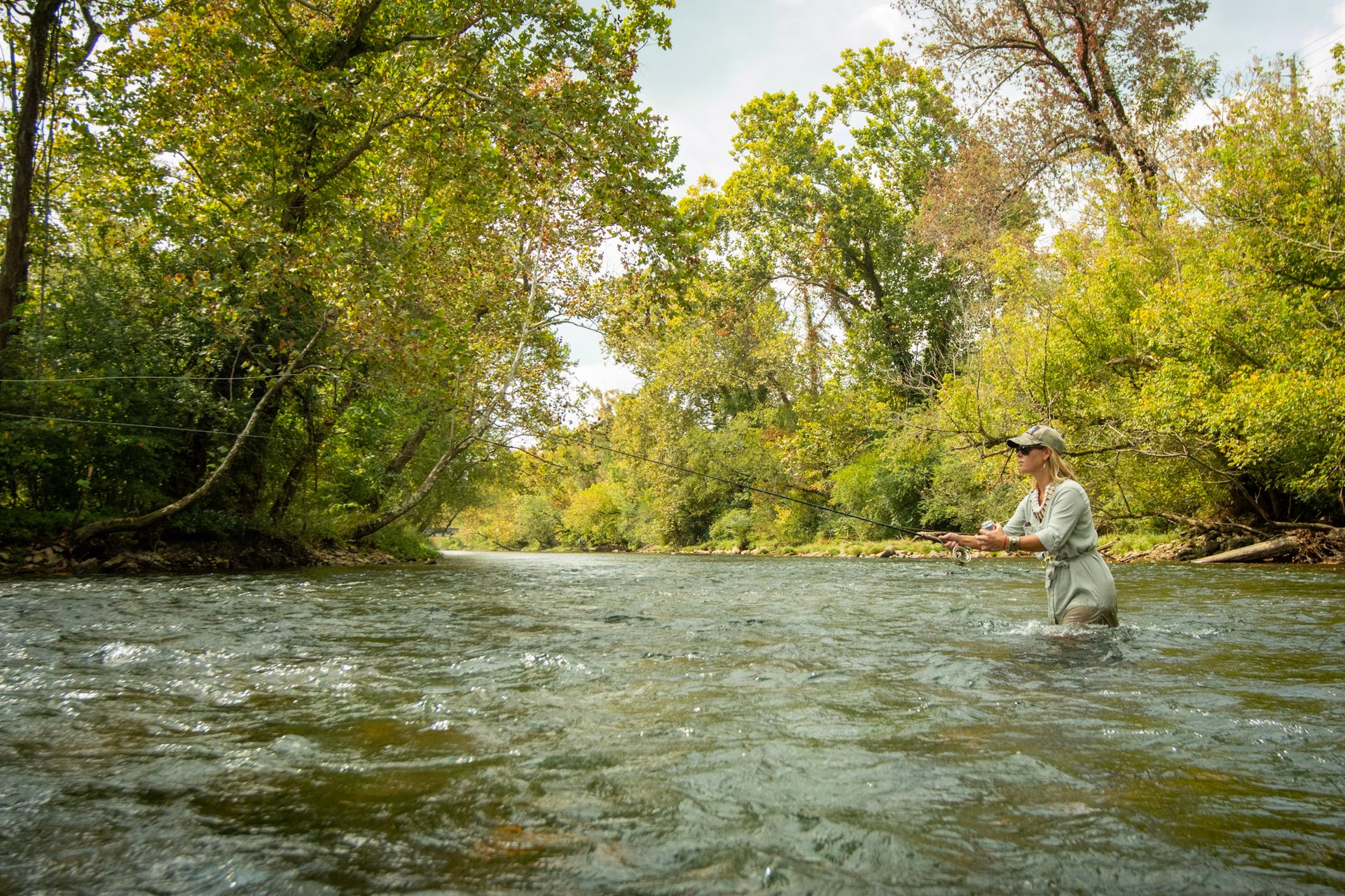
We've noticed a trend over the last few years on the Watauga River. As summer temperatures increase, many of the trout move into the faster, shallower portions of runs and riffles. These areas are highly oxygenated and also funnel food through the current, making them productive holding water.
In our experience, finding a shallow riffle that transitions from ankle-deep water into knee-deep water has been producing some of the best results. These subtle changes in depth can create what is commonly referred to as a depression, giving trout a slightly deeper piece of water within an otherwise shallow riffle. Pay close attention to these small changes in depth when you're reading the river—they can hold more fish than you might expect.

September Trophy Brown Trout: South Holston Angler Guide Trip Highlights


What to Expect as We Move Into October
October is a favorite month for many anglers coming to the mountains of East Tennessee to fly fish. Temperatures begin to cool, the leaves transition into their fall colors, and the brown trout are preparing for the spawn that is rapidly approaching. Most of the larger insects have become less active as we move into late fall and winter, and midges and BWOs will become the primary food sources on both rivers over the next few months.
The days are getting shorter and the sun is staying lower in the sky. Fish can become a little less wary this time of year, but after a long fishing season, these trout can still be difficult to fool. Drag-free presentations, long leaders, light tippet, and small indicators are still important when fishing the clear, low water conditions we typically see in the fall.
October is a great time to be on either the South Holston or Watauga River. If you're looking to learn more tips and techniques for fishing these rivers, check out our South Holston River and Watauga River fly fishing guides for more in-depth information.

Book a Guided Fly Fishing Trip on the South Holston or Watauga River
Hiring a guide for a day or two can significantly shorten the learning curve when fishing either the South Holston or Watauga River. Our team of expert guides loves what we do, and our goal is to give you the best day possible.
A guide trip isn't just about catching fish; it's about learning the techniques, strategies, and river knowledge that you can take with you to other rivers and destinations in the future.
Whether this is your first time fly fishing or you're an experienced angler looking to challenge yourself by targeting larger brown trout, we have a trip tailored to your goals and experience level.
If you have any questions at all, Contact Us. We love to talk fishing!